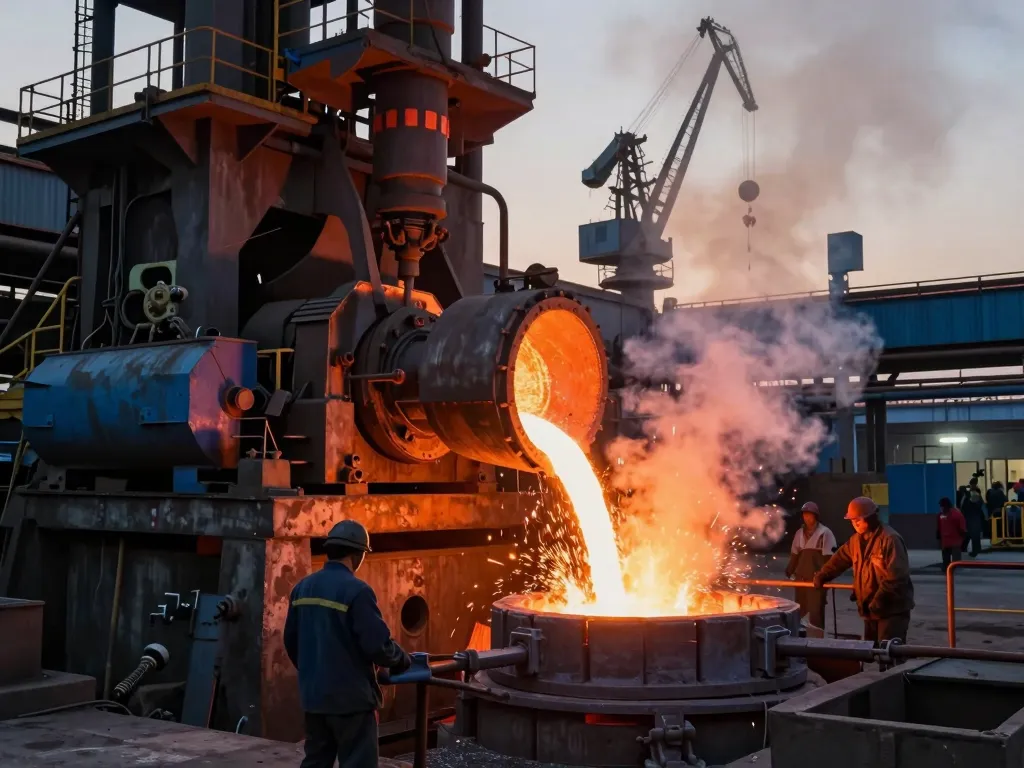

Understanding Engineering Services in the USA
In the rapidly evolving landscape of engineering, the demand for specialized services has never been higher. Engineering services encompass a wide range of disciplines, including structural, mechanical, and piping engineering, which are crucial for various industries such as construction, energy, healthcare, and technology. As businesses strive to enhance operational efficiency and ensure compliance with safety regulations, understanding how to leverage Engineering Services USA can be a game changer. This article provides a comprehensive overview of the key aspects of engineering services critical for businesses looking to stay competitive in 2026.
What Are Engineering Services USA?
Engineering services refer to the professional support offered by licensed engineers, encompassing design, analysis, consultation, and compliance services tailored to address specific project needs. These services are essential for ensuring that projects meet regulatory standards, adhere to safety practices, and utilize optimal materials and technologies. In the USA, engineering services are governed by strict regulations that dictate practices across various domains, making the role of engineering consultancies vital to project success.
Core Disciplines: Structural, Mechanical, and Piping Engineering
The core disciplines of engineering services include:
- Structural Engineering: Involves the design and analysis of structures to ensure they can withstand the stresses and pressures of their environment.
- Mechanical Engineering: Focuses on the design and manufacturing of machines and systems, ensuring they operate efficiently and safely.
- Piping Engineering: Specializes in the design and analysis of piping systems in various contexts, including oil and gas, water and wastewater, and manufacturing industries.
Each discipline plays a critical role in the success of engineering projects, ranging from commercial buildings to large-scale industrial facilities.
Importance of Regulatory Compliance and Safety Standards
Regulatory compliance is paramount in engineering services to uphold public safety and environmental standards. Engineering firms must ensure that their solutions adhere to guidelines set forth by organizations such as the American Society of Mechanical Engineers (ASME) and the National Building Code of Canada (NBCC). By incorporating safety standards into their practices, engineering consultancies help mitigate risks associated with project execution, safeguarding both clients and the public.
Challenges in Engineering Services Today
Common Misconceptions about Engineering Consultancies
Despite the crucial role engineering consultancies play, there are misconceptions about their services. Many believe that engineering firms only focus on the technical aspects of projects and overlook strategic planning. In reality, successful engineering consultancies integrate innovative problem-solving with strategic thinking to deliver comprehensive solutions.
Addressing Talent Shortages in the Engineering Field
The engineering sector is currently facing significant talent shortages, exacerbated by retirements and a lack of qualified professionals entering the field. Companies must adopt strategies such as partnerships with universities, internships, and training programs to cultivate new talent and ensure the industry’s sustainability.
Impact of Technological Advancements on Engineering Practices
Technological advancements have transformed engineering practices, introducing tools such as Building Information Modeling (BIM) and advanced simulation software. These innovations enhance design accuracy, optimize project timelines, and enable real-time collaboration among project stakeholders. As technology continues to evolve, engineering firms must stay adaptable to leverage these tools effectively.
Best Practices for Selecting Engineering Services
Evaluating Qualifications and Industry Experience
When selecting an engineering consultancy, assessing qualifications and industry experience is of utmost importance. Firms that showcase a portfolio of successful projects in specific industries can provide valuable insights and expertise tailored to your project’s needs.
Importance of Integrating Software Solutions in Engineering
Integrating modern software solutions is essential for streamlining engineering workflows. Utilizing sophisticated analytical tools such as CAESAR II, ANSYS, and AutoPIPE can significantly enhance the accuracy of simulations and calculations, leading to improved project outcomes.
Key Metrics for Measuring Engineering Services Effectiveness
To evaluate the effectiveness of engineering services, companies should implement key performance indicators (KPIs) that measure:
- Project delivery timelines
- Budget adherence
- Quality of deliverables
- Stakeholder satisfaction
These metrics provide valuable insights into the consultancy's performance and its alignment with the project’s goals.
Emerging Trends in Engineering Services USA for 2026
Sustainability and Green Engineering Practices
As environmental concerns rise, sustainability has become a top priority in engineering practices. Engineering firms are increasingly focusing on green engineering practices, which emphasize energy efficiency, waste reduction, and sustainable material selection. This trend is likely to shape project designs and the materials used in construction.
Integration of AI and Machine Learning in Engineering Solutions
The integration of artificial intelligence (AI) and machine learning into engineering services is revolutionizing traditional practices. By harnessing data analytics, firms can enhance predictive modeling, optimize designs, and improve decision-making processes, leading to more effective and efficient engineering solutions.
The Future of Remote Engineering Consultations
With the rise of remote work, engineering consultations are becoming increasingly virtual. Technology enables seamless communication and collaboration, making it possible for teams to work together from different locations while maintaining productivity. This shift will likely lead to more flexible project management approaches in the coming years.
Real-World Applications and Case Studies
Successful Project Examples in Various Industries
Numerous successful projects across various sectors exemplify the value of engineering services:
- Healthcare: The design and construction of a state-of-the-art hospital facility that adheres to rigorous safety standards and incorporates patient-focused design.
- Energy: The development of a renewable energy facility that utilizes innovative technologies to improve efficiency and reduce carbon footprints.
- Manufacturing: Implementation of advanced material handling systems in a manufacturing plant, enhancing productivity and operational safety.
Lessons Learned from Recent Engineering Challenges
Recent engineering challenges have provided critical lessons, particularly regarding the importance of thorough planning, stakeholder engagement, and risk management. Projects that suffered delays often highlighted the gaps in communication and unforeseen complications that could have been addressed with proactive strategies.
How to Implement Effective Engineering Strategies
To implement effective engineering strategies, organizations should prioritize collaboration, leverage technology, and maintain clear communication across all project phases. Establishing well-defined goals and regularly assessing progress can help ensure project success.
What are the benefits of hiring engineering services?
Hiring engineering services provides numerous benefits, including access to specialized expertise, cost-effectiveness, and enhanced project outcomes through professional oversight and quality assurance.
How do I choose the right engineering consultancy?
Choosing the right engineering consultancy involves evaluating their experience, client testimonials, and range of services provided, ensuring they align with your project requirements.
What industries rely on engineering services?
Engineering services are critical across various industries, including construction, energy, healthcare, manufacturing, and technology, supporting projects of all sizes and complexities.
How is technology shaping the future of engineering?
Technology is shaping the future of engineering by enhancing productivity, improving design accuracy, and facilitating better collaboration through advanced tools and methods.
What regulations should engineering services comply with?
Engineering services must comply with a range of regulations, including local building codes, safety standards, and environmental laws, ensuring that projects are executed responsibly and sustainably.